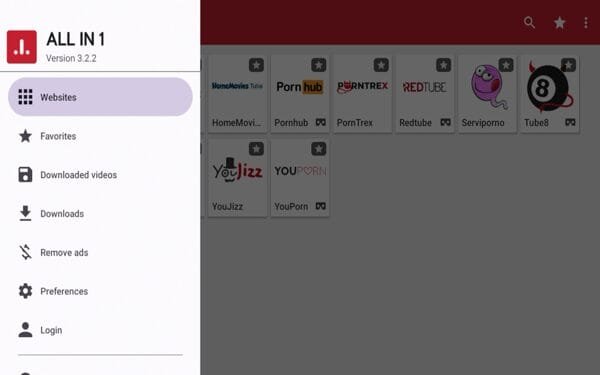
In an increasingly mobile-first world, the allure of instant gratification extends to every corner of the internet, including adult content. The widespread availability of mobile free porn apps and access points, often advertised as convenient and discreet, has created a significant landscape for those seeking such material. However, beneath the surface of apparent ease and anonymity lies a complex web of severe security and privacy risks that most users unwittingly navigate. This isn't just about what you're watching; it's about what that access method is watching you do and taking from your device.
The promise of "free" content often comes with a hidden cost – one that can compromise your device, steal your data, and even lead to financial and reputational damage. Understanding these dangers isn't about shaming or judgment; it's about empowering you with the knowledge to protect your digital life, regardless of your browsing choices.
At a Glance: Key Security Threats
- Malware & Viruses: Free apps are notorious vectors for malicious software, from ransomware to spyware.
- Data Theft & Privacy Breaches: Your personal information, browsing habits, and even financial details are at risk.
- Unwanted Subscriptions & Charges: Hidden fees and coerced sign-ups can drain your bank account.
- Identity Theft & Phishing: Compromised data can lead to broader identity fraud.
- Device Performance Degradation: Adware and background processes slow your phone and drain battery.
- Reputational Damage: Exposed browsing history or personal data can have serious real-world consequences.
- Legal & Ethical Concerns: Depending on your location and content, legal repercussions are possible.
The Hidden Price of "Free": Why Mobile Free Porn Apps Are Often a Trap
The internet is built on business models, and "free" usually means you're paying in another currency—often your data, your privacy, or your device's security. This is particularly true in the realm of adult content, where the stakes are often higher due to the sensitive nature of the material. When you download a free porn app or visit an unverified mobile site, you're not just getting content; you're often inviting a host of unwanted guests onto your device.
Many of these apps and sites are not developed by reputable companies with stringent security protocols. Instead, they can be created by individuals or groups looking to exploit users, either by directly injecting malware, harvesting data for illicit sale, or coercing them into premium subscriptions. The lack of transparency and regulation in this niche makes it a fertile ground for malicious actors.
The Anatomy of a Threat: How Mobile Free Porn Access Compromises Your Security
Let's dissect the primary ways that engaging with mobile free porn apps and unverified access points can jeopardize your digital safety.
1. Malware and Adware Infestation
This is perhaps the most immediate and widespread threat. Free porn apps are frequently Trojan horses, disguised as legitimate content viewers but designed to deliver malicious payloads.
- Viruses and Worms: These can corrupt your data, spread to other devices on your network, or render your phone unusable.
- Spyware: Silent invaders that monitor your activities, record keystrokes, capture screenshots, and even activate your camera or microphone without your knowledge. Imagine your passwords, banking details, and private conversations being sent to an unknown third party.
- Ransomware: This particularly nasty form of malware locks you out of your device or encrypts your files, demanding payment (often in cryptocurrency) for their release. There's no guarantee your data will be returned even if you pay.
- Adware: While less directly destructive than ransomware, adware bombards you with relentless pop-ups, redirects, and intrusive advertisements, severely degrading your user experience and often leading to further malware infections through deceptive clicks.
- Cryptojackers: These scripts secretly use your phone's processing power to mine cryptocurrencies for the attacker, draining your battery, slowing your device, and potentially causing hardware damage over time.
Think of these apps as a digital parasite. Once installed, they can live deep within your phone's operating system, making them incredibly difficult to remove completely without a factory reset.
2. Egregious Data Harvesting and Privacy Breaches
The value of personal data is immense, and free porn access points are voracious collectors. They often demand excessive permissions during installation or exploit vulnerabilities to scrape information directly.
- Personally Identifiable Information (PII): Your name, email address, phone number, location data, and even contact lists can be siphoned off and sold to data brokers or used for targeted phishing attacks.
- Browsing Habits: Beyond the obvious adult content, these apps can track your entire online activity, building a comprehensive profile of your interests, habits, and vulnerabilities. This data is valuable for advertisers, but even more so for scammers.
- Device Information: Unique device IDs, operating system versions, and installed apps can be collected, making your device easily identifiable and trackable across various platforms.
- Financial Data: If you've ever linked a payment method to an app or website on your phone, even if it's unrelated to the porn app, vulnerabilities could expose this information. Phishing attempts specifically tailored to your browsing habits can also trick you into revealing credit card numbers.
The promise of anonymity online is often a mirage, and when dealing with unregulated free content, it’s practically non-existent. Your digital footprint becomes an open book for anyone willing to pay for it.
3. Unwanted Subscriptions and Financial Exploitation
"Free" can quickly turn into a costly endeavor through deceptive practices.
- Hidden Charges: Some apps use clever tactics to subscribe you to premium services without clear consent, often burying the terms in lengthy, unreadable agreements. These charges might appear as vague entries on your phone bill or bank statement.
- Premium SMS Scams: Certain malware can send expensive SMS messages to premium numbers, racking up huge charges on your bill before you even realize what's happening.
- Phishing for Credentials: Many malicious sites and apps will mimic legitimate payment gateways or login screens (e.g., for a "verification" process) to steal your banking details or social media credentials.
These tactics exploit the human tendency to quickly click through prompts, especially when trying to access sensitive content discreetly.
4. Identity Theft and Reputational Risks
The data harvested from your device doesn't just sit idly; it can be weaponized.
- Identity Theft: With enough PII, scammers can open accounts in your name, commit fraud, or access existing accounts. This can take years to resolve and severely damage your credit.
- Blackmail and Extortion: If personal data, explicit images, or even just detailed browsing histories are compromised, attackers might use this information to blackmail you, demanding money in exchange for not exposing your activities to family, friends, or employers.
- Public Exposure: Data breaches from these services can lead to your private details or explicit content being dumped onto public forums or dark web markets, leading to severe reputational damage.
The potential for embarrassment or social fallout is a powerful lever for attackers, making users vulnerable to demands.
5. Legal and Ethical Gray Areas
Depending on your location and the content accessed, there can be legal ramifications.
- Copyright Infringement: Many free sites host pirated content, and while direct prosecution of viewers is rare, supporting such sites can have ethical implications.
- Illegal Content: Unverified platforms may host illegal content (e.g., child exploitation material) which, even if stumbled upon accidentally, can put you in a very difficult legal position.
- Jurisdictional Issues: Laws surrounding adult content vary wildly by region. What's legal in one country may be highly illegal in another, posing risks if your data or IP address is tracked.
It’s important to remember that laws are not always designed to protect users of illicit services, but rather to regulate the services themselves. You can learn more about whether watching adult content has downsides, exploring the broader conversation around Is Watching Porn Bad?.
Navigating the Digital Wild West: Practical Safeguards
Given the risks, the best defense is always prevention. If you choose to explore mobile free porn apps or unverified sites, taking stringent precautions is paramount.
1. Avoid Third-Party App Stores and Unverified Downloads
- Stick to Official Stores (with caution): While Google Play Store and Apple App Store have review processes, malicious apps can still slip through. Be extremely wary of any adult app claiming to be "free" on these platforms, as legitimate adult content often requires age verification and payment.
- Never Sideload: Downloading APK files directly from websites (sideloading) completely bypasses app store security checks. This is a primary vector for malware. If an app requires you to sideload, consider it a giant red flag.
2. Scrutinize Permissions Requests
When an app asks for permissions, stop and think:
- Does a porn app really need access to your contacts? Your camera? Your microphone? Your exact location? Your SMS messages?
- Grant only the absolute minimum permissions necessary for the app to function. If an app demands excessive permissions, deny them or uninstall the app immediately. Many users don't think twice before granting permissions, but this is your first line of defense against data harvesting.
3. Maintain Robust Device Security
- Keep Your OS Updated: Operating system updates often include critical security patches. Install them promptly.
- Use Reputable Antivirus/Antimalware: A good mobile security suite can detect and block malicious apps and websites before they cause harm. Invest in a paid, reputable solution.
- Enable Two-Factor Authentication (2FA): For all your critical accounts (email, banking, social media), 2FA adds an extra layer of security, making it harder for stolen credentials to be used.
4. Employ Network and Browsing Best Practices
- Use a VPN (Virtual Private Network): A VPN encrypts your internet traffic and masks your IP address, adding a layer of anonymity and security, especially when accessing content that might be geographically restricted or sensitive. This is a crucial tool if you're trying to unblock restricted content. Just remember, a VPN protects your connection, not necessarily a malicious app once it's installed.
- Incognito/Private Mode is Not Anonymous: While it prevents your local browsing history from being saved, it does not hide your activity from your internet service provider (ISP), the websites you visit, or any malicious apps on your device.
- Use a Secure Browser: Opt for browsers with built-in privacy features and ad blockers. Keep your browser updated.
- Be Skeptical of Pop-ups and Downloads: Never click on suspicious pop-ups, download unsolicited files, or provide personal information on unverified sites.
5. Be Wary of Deceptive Social Engineering
- Phishing Scams: Be on guard for emails, SMS messages, or in-app prompts that look legitimate but ask for sensitive information or link to suspicious sites. Scammers often use the sensitive nature of adult content as leverage.
- Fake Update Prompts: Malware often disguises itself as system updates or popular software updates. Always download updates directly from official sources.
When you're looking for accessing porn sites, the lack of standard verification and safety protocols means you must be your own security expert.
Common Questions and Misconceptions
"If an app is in the official app store, isn't it safe?"
Not entirely. While app stores have review processes, malicious apps can occasionally slip through or be updated with malicious code after initial approval. Always check reviews, developer reputation, and permission requests. For adult content, legitimate apps are rare on mainstream app stores due to content policies.
"Can't I just use incognito mode for free porn apps?"
Incognito mode in your browser only prevents your browsing history from being saved locally on your device. It does not hide your IP address, encrypt your traffic, or prevent malicious apps/websites from tracking you or installing malware. It offers no protection against app-based threats.
"I have a good antivirus on my PC; does that protect my phone?"
A PC antivirus protects your PC. Your mobile device needs its own dedicated mobile security solution. Mobile operating systems (Android, iOS) have different vulnerabilities and require different forms of protection.
"Is it possible to completely remove malware from a mobile phone?"
Often, a full factory reset is the only way to guarantee the complete removal of deeply embedded malware on an Android device. For iOS, malware is less common due to Apple's stricter ecosystem, but if compromised, a restore from a clean backup or a full reset might be necessary. Always back up important data before a factory reset.
"What if I accidentally installed a malicious app?"
First, disconnect from the internet (turn off Wi-Fi and mobile data). Then, try to uninstall the app immediately. If it resists uninstallation, you may need to boot into "safe mode" (Android) or use a mobile security app to remove it. A factory reset might be the final step. Change all your critical passwords from another, clean device afterwards.
"Does using a VPN make me completely anonymous?"
A VPN enhances your privacy by encrypting your internet traffic and masking your IP address from websites and your ISP. However, it doesn't protect you from malicious apps you install or from voluntarily giving up personal information on websites. It's a crucial tool for a secure connection but not a magic cloak of invisibility.
The potential effects of prolonged exposure to online adult content extend beyond psychological impacts; they deeply intertwine with the security implications of how that content is accessed.
Beyond the Technical: A Holistic View of Digital Hygiene
The discussion around mobile free porn apps and access isn't just about antivirus software or VPNs. It's about a broader understanding of digital hygiene and the psychological aspects that make us vulnerable.
- Mindful Consumption: In the pursuit of free content, users often let down their guard. The desire for discretion or instant access can override common sense security practices. Be mindful of this impulse.
- Digital Detox: Sometimes, the best solution to avoid these pitfalls is to take a step back. Understanding how to initiate a digital detox can be incredibly beneficial for overall digital well-being and security.
- The Cost of "Free": Reiterate that very few things are truly free online, especially high-demand content. If you're not paying with money, you're likely paying with your data, your privacy, or your device's security.
Protecting Your Digital Frontier
The landscape of mobile free porn apps and access points is fraught with peril. From sophisticated malware that spies on your every move to deceptive financial scams and the ever-present threat of identity theft, the risks are substantial and far-reaching. While the allure of instant, free content is powerful, the potential costs—both digital and personal—are simply too high to ignore.
As a user, you are the first and most important line of defense. By understanding the common threats, adopting robust security practices, and exercising extreme caution, you can mitigate many of these dangers. Don't let convenience compromise your entire digital life. Your privacy and security are invaluable; treat them as such.
For a deeper dive into understanding the broader spectrum of content access and related discussions, we encourage you to Explore the Por Free hub.